
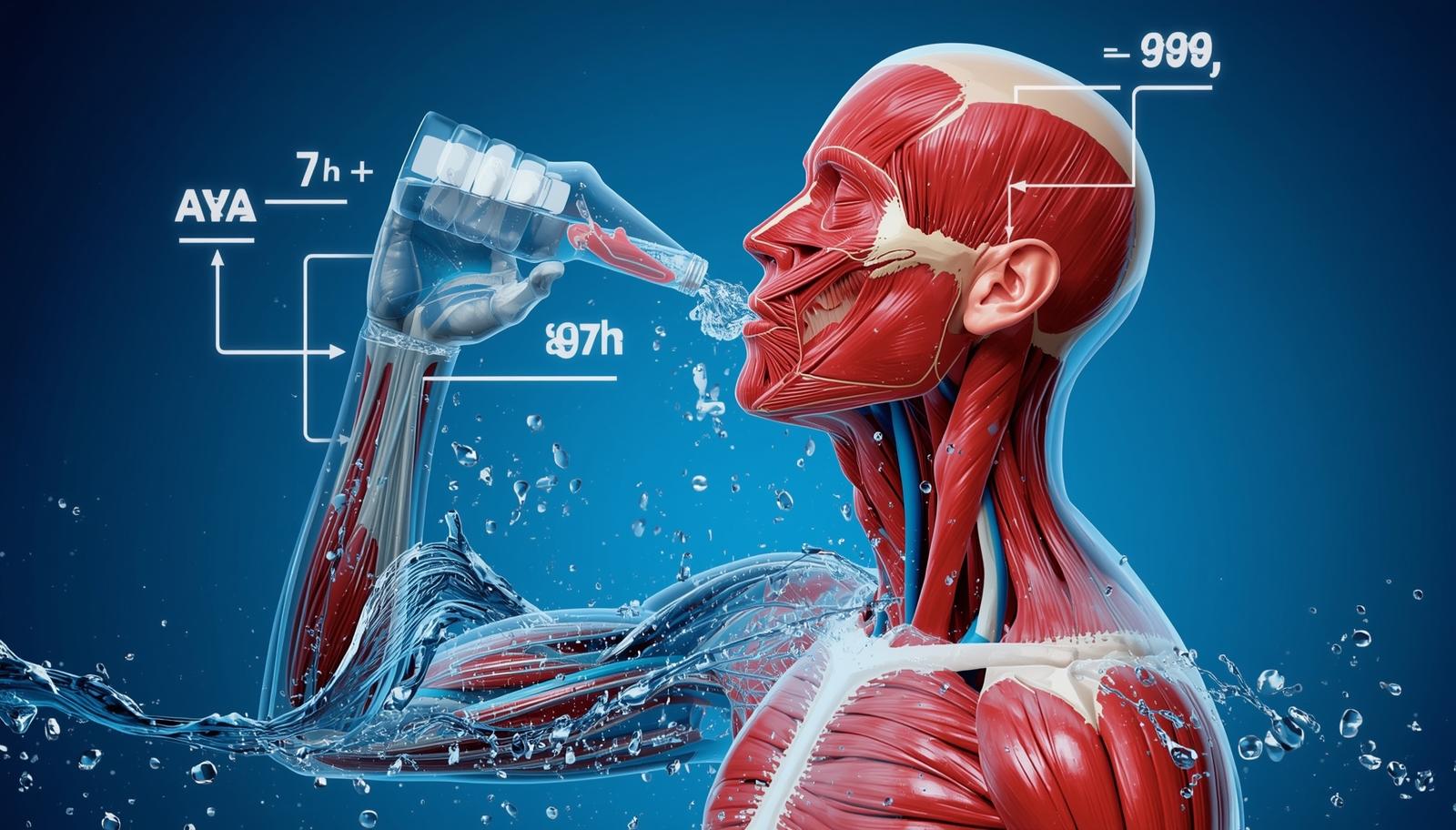

When you think about the causes of jaw pain, you probably focus on stress, posture, or a structural imbalance. But one of the simplest, most overlooked factors is your daily water intake. Dehydration and an imbalance of electrolytes can directly contribute to muscle cramps, spasms, and the chronic tension that fuels jaw clenching.
Your jaw muscles are just like any other muscle in your body—they need proper fuel and hydration to function correctly. When they are deprived, they become irritable, tight, and prone to painful knots.
Here is a look at the critical link between hydration, electrolytes, and your jaw health.
The Hydration-Muscle Connection
Your muscles are approximately 75% water. Water is essential for every aspect of muscle function:
- Nutrient Transport: Water carries essential nutrients and oxygen to your muscle cells.
- Waste Removal: It flushes out metabolic waste products (like lactic acid) that build up during muscle activity and cause soreness.
- Lubrication: It helps lubricate the muscle fibers, allowing them to slide smoothly past each other during contraction and relaxation.
When you are dehydrated, your blood volume decreases, making it harder for your body to deliver nutrients and remove waste from your jaw muscles. This leads to:
- Increased Irritability: The muscles become more sensitive and prone to spasms.
- Stiffness: The lack of lubrication causes the muscle fibers to stick together, leading to that familiar morning stiffness.
- Cramping: In severe cases, dehydration can trigger painful muscle cramps, which can manifest as intense jaw clenching.
The Electrolyte Imbalance: The Missing Link
Electrolytes are minerals that carry an electric charge when dissolved in water. They are crucial for nerve signaling and muscle contraction/relaxation. The key players for muscle function are Magnesium, Potassium, and Calcium.
- Magnesium: As we have discussed, magnesium is the muscle relaxant. It is required for the muscle to let go after a contraction. A deficiency is a direct cause of muscle cramps and chronic tension.
- Potassium: Works with sodium to maintain fluid balance inside and outside the cells. It is essential for nerve impulses that tell the muscle when to contract.
- Calcium: Required for the muscle to contract.
If your electrolytes are out of balance—often caused by excessive sweating, poor diet, or simply drinking plain water without replacing minerals—your jaw muscles can become hyper-excitable. They may struggle to fully relax after a contraction, leading to chronic clenching.
Your Hydration Action Plan for Jaw Health
It is not enough to just drink water; you need to drink smart and ensure you are replacing lost minerals.
1. Drink Water Consistently
- Rule of Thumb: Aim to drink half your body weight in ounces of water per day (e.g., a 150lb person should aim for 75oz).
- Timing: Sip water consistently throughout the day. Do not wait until you are thirsty, as thirst is a sign that you are already mildly dehydrated.
2. Focus on Electrolyte-Rich Foods
You can naturally replenish your electrolytes through diet:
- Magnesium: Leafy greens, nuts, seeds, dark chocolate.
- Potassium: Bananas, avocados, sweet potatoes, spinach.
- Calcium: Dairy, fortified plant milks, leafy greens.
3. Consider a Low-Sugar Electrolyte Drink
If you exercise heavily or live in a hot climate, consider adding a low-sugar electrolyte powder to your water once a day. This ensures you are getting the necessary balance of sodium, potassium, and magnesium to support optimal muscle function.
The Hydration-Mouthguard Synergy
Hydration and electrolytes create the optimal internal environment for your jaw muscles to relax.
- Hydration’s Job: To make the muscle fibers pliable, lubricated, and ready to relax.
- Reviv’s Job: To provide the biomechanical guidance that allows the now-hydrated, pliable muscles to find their most relaxed, balanced position.
If your muscles are stiff and dehydrated, they will resist the guidance of any mouthguard. By ensuring proper hydration, you maximize the therapeutic effect of a physics-based mouthguard like Reviv.
Conclusion
Do not overlook the simple power of water and minerals in your fight against jaw pain. Chronic clenching is often exacerbated by dehydrated, mineral-starved muscles. By committing to consistent hydration and a balanced intake of electrolytes, you create the perfect internal conditions for muscle relaxation.
Pair this internal support with the external, biomechanical guidance of the Reviv mouthguard, and you have a powerful, holistic strategy for a pain-free jaw.
Ready to hydrate your way to a relaxed jaw? Discover how the Reviv mouthguard supports your body’s natural ability to rest and recover. Join our community to share your hydration tips!