
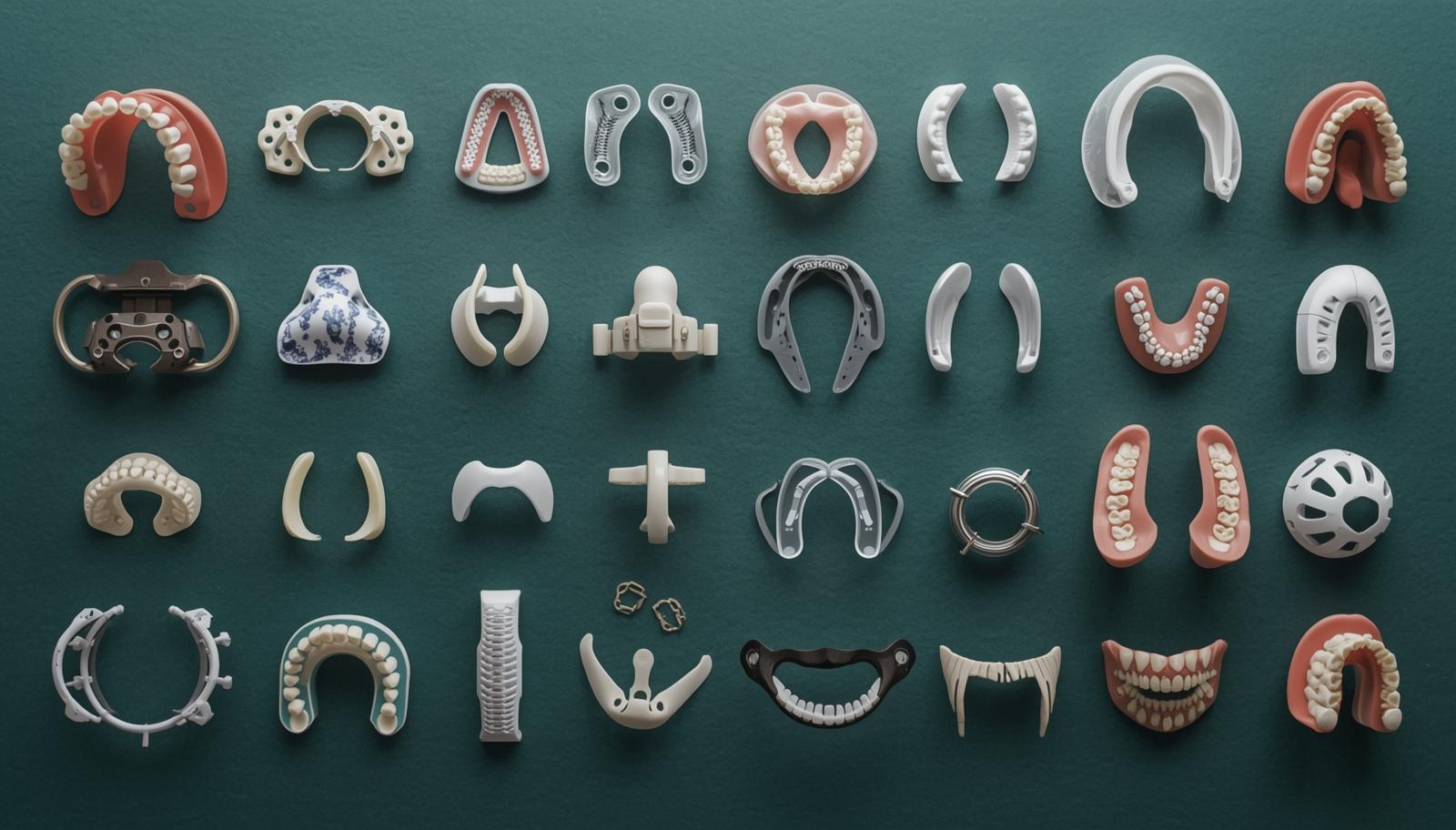

When you are looking for a solution to chronic jaw pain, you will encounter a confusing array of devices, often grouped under the general term “oral appliance” or “stabilization device.” These tools are designed to manage the forces of clenching and grinding, but they work in fundamentally different ways.
Choosing the right device depends entirely on the root cause of your pain—is it primarily muscular, joint-related, or airway-driven?
Here is a guide to the three main categories of jaw stabilization devices and where a physics-based approach fits in.
Category 1: Stabilization Splints (The Traditional Hard Guard)
These are the most common type of appliance. They are typically made of hard acrylic and cover all the teeth on one arch (usually the upper).
- Primary Goal: To provide a stable, flat surface for the opposing arch to bite against. This is intended to distribute the clenching forces evenly and protect the teeth from wear.
- Mechanism: They aim to put the jaw in a specific, predetermined position, often called the “centric relation.”
- Best For: Protecting teeth from wear and tear.
- Limitation: They do not always reduce the intensity of the clenching. In fact, the hard, flat surface can sometimes act as a trigger, causing the jaw muscles to clench harder as they try to find a comfortable resting position. They are a tooth protection device, not a muscle relaxation device.
Category 2: Anterior Repositioning Appliances (The Airway Fix)
These devices are designed to physically hold the lower jaw (mandible) in a forward position.
- Primary Goal: To open the airway by preventing the tongue and soft tissues from collapsing backward into the throat.
- Mechanism: By holding the jaw forward, they create more space in the back of the throat.
- Best For: Treating mild to moderate obstructive sleep apnea (OSA) and bruxism that is driven by airway issues.
- Limitation: While effective for the airway, the forced forward position can sometimes put strain on the jaw joint itself, leading to joint pain over time. They are often bulky and require a precise fit.
Category 3: Physics-Based Therapeutic Guards (The Muscle Relaxation Fix)
This is a newer, more adaptive approach that focuses on reducing the muscular drive to clench rather than just protecting the teeth or forcing the jaw forward.
- Primary Goal: To reduce the intensity of the clenching reflex and guide the jaw into its natural, most relaxed resting position.
- Mechanism: A flexible, low-profile design interacts with the opposing arch to provide subtle sensory feedback (proprioception) to the brain. This feedback signals the jaw muscles to relax, breaking the subconscious clenching habit.
- Best For: Chronic muscular jaw pain, tension headaches, and clenching driven by stress or structural imbalance.
- The Reviv Difference: Unlike hard splints, the Reviv guard is not designed to lock the jaw into a rigid position. It is designed to be adaptive and flexible, allowing the jaw to move naturally while providing a balanced platform that encourages muscle rest. It is a muscle relaxation device first and foremost.
Choosing the Right Tool
| If Your Primary Problem Is… | The Best Tool to Invest In Is… | Why? |
|---|---|---|
| Tooth Wear & Grinding | Stabilization Splint (Hard Guard) | Provides a durable barrier to protect the enamel. |
| Loud Snoring & Fatigue | Anterior Repositioning Appliance | Physically opens the airway to treat the root cause. |
| Morning Jaw Pain & Headaches | Physics-Based Therapeutic Guard (Reviv) | Reduces the intensity of the clenching reflex and allows overworked muscles to rest. |
The Biomechanical Advantage
The key to long-term relief is to find a device that works with your body’s natural physics, not against it.
Traditional hard guards often create a rigid environment that the jaw muscles fight against. A physics-based guard, however, provides a balanced, flexible surface that sends a signal of safety and rest to the brain. This subtle shift in feedback is what allows the powerful jaw muscles to finally let go.
Conclusion
Jaw stabilization devices are not one-size-fits-all. If your primary symptom is chronic muscle pain and tension headaches, you need a device that is designed to relax your muscles, not just protect your teeth.
By choosing a physics-based therapeutic guard, you are investing in a solution that addresses the biomechanical root of your clenching. It is the most effective way to guide your jaw into a state of rest and break the cycle of chronic pain.
Ready to move beyond simple tooth protection? Discover how the Reviv mouthguard provides the ultimate muscle relaxation and stabilization. Join our community to share your experience with different devices!