
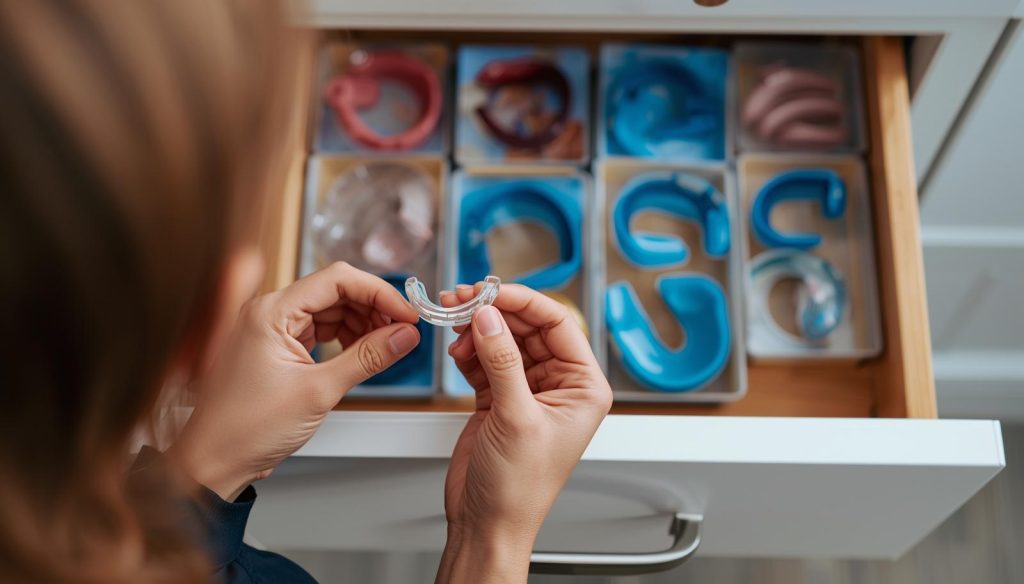

You have invested in a mouthguard to protect your jaw and reduce clenching. But how long should it last? This is a common question, and the answer is not a simple number of months. The lifespan of your mouthguard depends on three critical factors: the material, your clenching intensity, and, most importantly, its therapeutic effectiveness.
For a physics-based guard, the moment it loses its ability to guide your jaw into a relaxed position, it needs to be replaced, regardless of how it looks.
Here is a guide to knowing when it is time to replace your mouthguard and what to look for.
1. The Material Matters
The lifespan of a mouthguard is directly tied to the material it is made from.
| Material Type | Typical Lifespan | Clenching Intensity Factor |
|---|---|---|
| Soft/Boil-and-Bite | 3 – 6 months | Low durability; wears down quickly, losing shape and thickness. |
| Hard Acrylic Splints | 1 – 5 years | High durability; can withstand heavy clenching, but may crack or break. |
| Physics-Based (Adaptive Polymer) | 6 – 18 months | Designed to be durable but flexible; replacement is based on loss of therapeutic shape, not just wear. |
2. Signs of Physical Wear and Tear
These are the obvious signs that your mouthguard is reaching the end of its life:
- Holes or Punctures: If you have managed to grind a hole through the material, it is no longer protecting your teeth or providing a balanced surface.
- Cracks or Fractures: Harder materials can crack under extreme clenching force. A crack compromises the structural integrity and can harbor bacteria.
- Thinning: If the material has become noticeably thinner in certain spots, it is losing its ability to absorb force and provide the necessary vertical dimension for jaw rest.
- Poor Fit: If the guard feels loose, falls out easily, or no longer snaps securely onto your arch, it is time for a replacement. A loose guard can be a choking hazard and is ineffective.
3. The Most Important Factor: Loss of Therapeutic Effectiveness
For a therapeutic device like Reviv, the most important sign is a return of your symptoms, even if the guard looks fine. The goal of a physics-based guard is to reduce the clenching reflex and guide the jaw to a relaxed position.
Look for These Symptoms:
- Return of Morning Pain: If you start waking up with the same level of jaw stiffness, headaches, or muscle soreness you had before using the guard, it is a sign that the guard is no longer working effectively.
- Increased Clenching Sensation: If you feel yourself clenching on the guard again, the subtle, balanced surface that was signaling relaxation to your brain may have been worn down or altered.
- Visible Wear Patterns: Look closely at the surface where your opposing arch rests. If the surface is no longer smooth and has deep grooves or flat spots, the guard’s ability to guide your jaw is compromised.
Why this happens: Even the most durable materials will eventually succumb to the immense forces of clenching. The subtle contours and balanced platform that make a physics-based guard effective are gradually worn away, turning it into a simple piece of plastic that no longer provides therapeutic guidance.
4. Hygiene and Maintenance
Poor hygiene can also necessitate an early replacement.
- Odor and Discoloration: If your guard develops a persistent, foul odor or severe discoloration that cannot be removed with proper cleaning, it is likely harboring bacteria and should be replaced.
- Cleaning is Key: To maximize the lifespan of your guard, clean it every morning with a soft brush and non-abrasive soap. Store it in a dry, ventilated case. Never use hot water, as this can warp the material and ruin the fit.
The Reviv Approach to Replacement
A physics-based guard is designed to be a long-term tool for muscle rest. While it is built for durability, the forces of clenching are immense.
General Guideline: Most users find that a physics-based guard needs replacement every 9 to 18 months, depending on the severity of their clenching.
The Best Indicator: Trust your body. If your symptoms return, do not wait for a hole to appear. The return of pain is your body’s signal that the therapeutic effect has worn off and it is time for a fresh start.
Conclusion
Your mouthguard is an active therapeutic tool, not a passive piece of plastic. Its lifespan is measured not just by how long it lasts, but by how long it remains therapeutically effective.
If you notice signs of wear, a poor fit, or, most importantly, a return of your morning jaw pain, it is time to replace your guard. By staying proactive with replacement, you ensure that your jaw muscles continue to receive the protective, guiding support they need to stay relaxed and pain-free.
Ready to ensure your jaw is always protected? Discover the durability and therapeutic effectiveness of the Reviv mouthguard. Join our community to share your maintenance tips!