
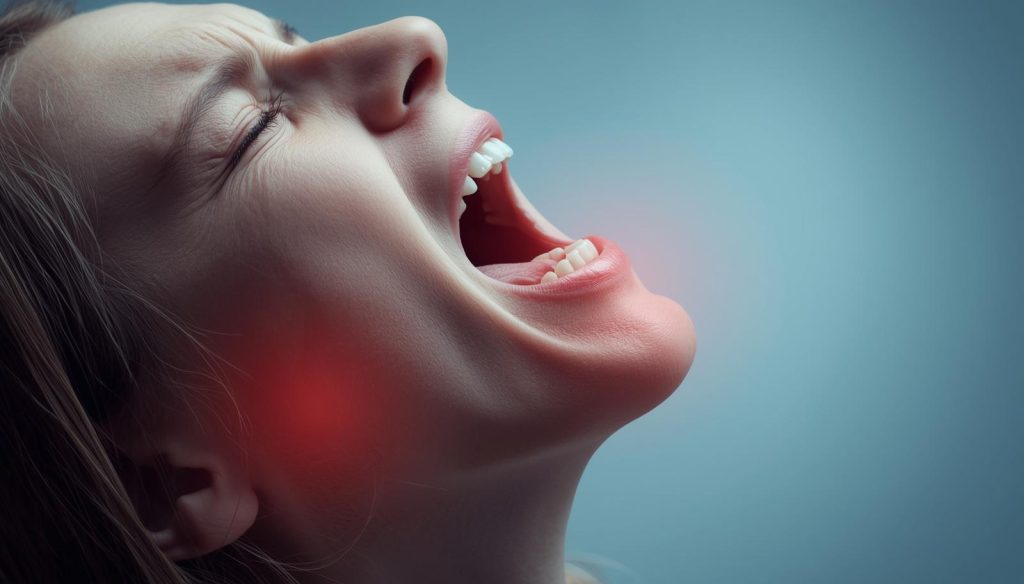

When jaw pain is severe, a muscle relaxer can feel like a miracle cure. It eases the tension, dulls the ache, and finally allows your jaw muscles to let go. For a few precious hours, you feel normal again. But as the medication wears off, the pain inevitably creeps back, often with a vengeance.
This cycle of temporary relief followed by returning pain is frustrating, but it is also a critical clue. It tells you that while the medication is treating the symptom (muscle tension), it is not addressing the root cause of the clenching.
Understanding this distinction is the key to moving from temporary fixes to a long-term, sustainable solution.
The Muscle Relaxer: A Chemical Band-Aid
Muscle relaxers work by acting on the central nervous system to reduce muscle tone and relieve spasms. They essentially turn down the volume on the signals telling your jaw muscles to contract.
The Benefits (Temporary Relief)
- Breaks the Pain Cycle: In an acute flare-up, a muscle relaxer can break the vicious cycle of pain leading to tension, which leads to more pain.
- Allows Sleep: They are often prescribed at night to help patients sleep through the intense clenching.
The Limitation (The Root Cause Remains)
The problem is that the medication does not change the underlying structural or biomechanical reason why your brain is sending those contraction signals in the first place.
Your jaw clenches for a reason:
- Structural Imbalance: Your jaw is trying to find a comfortable, balanced resting position.
- Airway Protection: Your body is moving your jaw forward to keep your airway open during sleep.
- Muscle Memory: Years of clenching have created a powerful, subconscious habit.
When the chemical effect of the muscle relaxer fades, the structural imbalance, the airway issue, and the muscle memory are all still there, ready to kick the clenching reflex back into high gear. The pain returns because the drive to clench was never removed.
The Biomechanical Solution: Treating the Cause
For long-term relief, you need a solution that addresses the physical, biomechanical drivers of the clenching reflex. This is where a physics-based therapeutic mouthguard comes in.
| Approach | Focus | Mechanism | Long-Term Outcome |
|---|---|---|---|
| Muscle Relaxer | Symptom (Muscle Tension) | Chemical suppression of nerve signals. | Temporary relief; pain returns when medication wears off. |
| Physics-Based Guard | Root Cause (Structural Imbalance) | Biomechanical guidance to a balanced, relaxed position. | Breaks the clenching habit; leads to lasting muscle rest and reduced pain. |
A physics-based guard, like Reviv, works by providing a stable, balanced platform for your jaw. This platform sends a signal to your brain that the jaw is in a comfortable, neutral position, effectively turning off the structural need to clench.
- It is not a chemical fix; it is a physical fix. It allows your jaw muscles to finally rest in a balanced position, letting them recover naturally.
- It breaks the habit. By consistently guiding the jaw into a relaxed state, it helps erase the muscle memory of clenching.
How to Use Muscle Relaxers Strategically
If you are prescribed a muscle relaxer, you can use it strategically to maximize the benefits of your long-term solution.
- Use for Acute Relief: Reserve the medication for severe flare-ups to break the pain cycle.
- Pair with Biomechanical Support: Take the muscle relaxer, and as your muscles begin to relax, immediately put in your Reviv mouthguard. The medication creates a window of opportunity where your muscles are chemically relaxed, allowing the guard to guide your jaw into its most balanced, resting position without resistance.
- Focus on Daytime Habits: Use the period of relief to double down on daytime self-care: practice jaw rest, use heat and massage, and focus on proper posture.
Conclusion
Muscle relaxers are a valuable tool for acute pain management, but they are not a long-term solution for chronic jaw pain. The inevitable return of pain after the medication wears off is a clear sign that you need to address the underlying biomechanical cause of your clenching.
By combining the temporary chemical relief of a muscle relaxer with the lasting physical guidance of a physics-based mouthguard, you can move beyond treating symptoms and start healing the root problem. Give your jaw the rest it needs to recover naturally.
Ready to break the cycle of temporary relief? Discover how the Reviv mouthguard provides the lasting, biomechanical solution your jaw needs. Join our community to share your journey to a pain-free life.