
Can a night guard change your face?
Does grinding change your face shape?
What is masseter hypertrophy?
Can a night guard slim your face?
What does a night guard actually do?
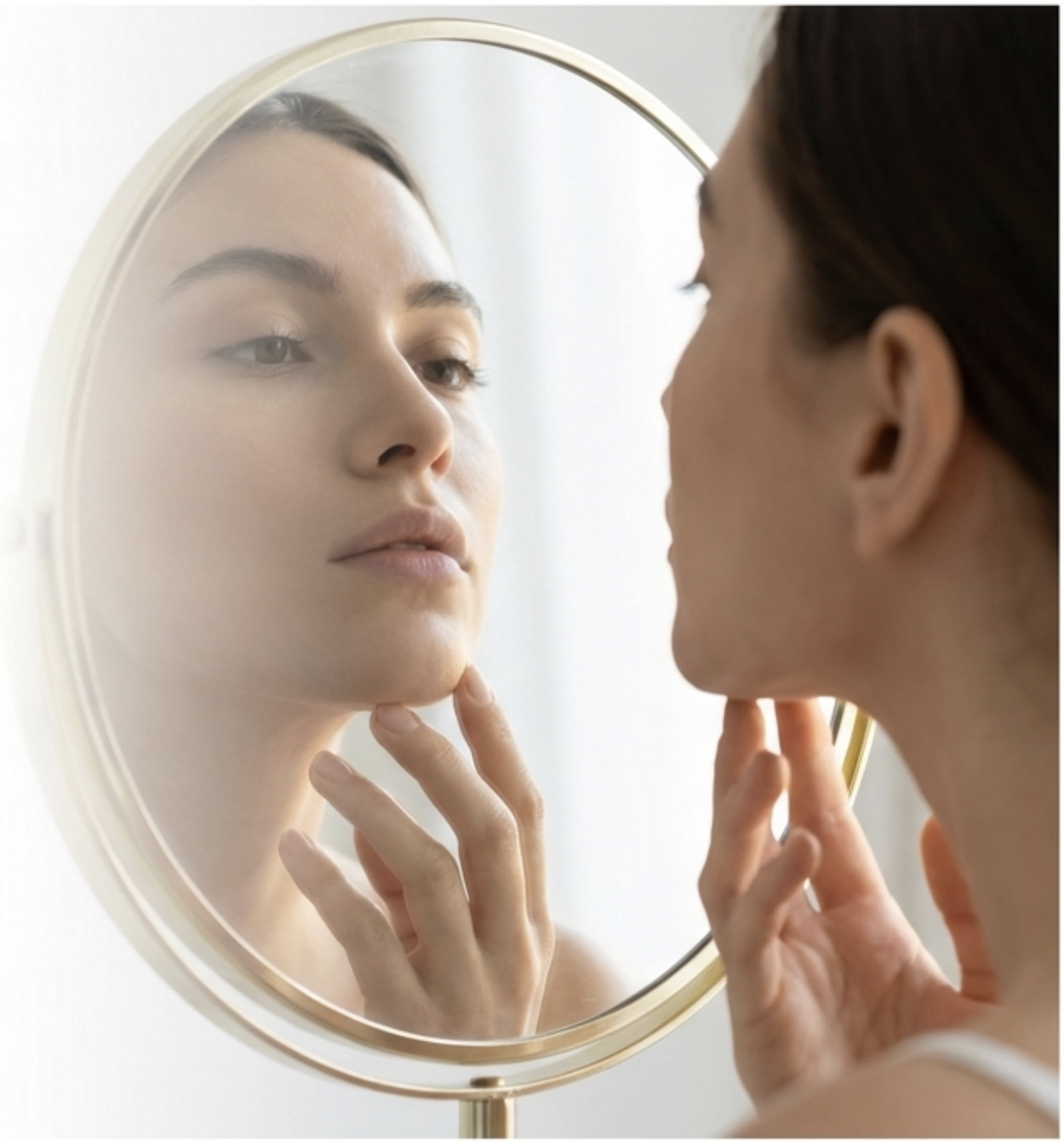
It’s one of the more striking claims in the oral appliance space: that wearing a night guard can change the shape of your face.
Some people swear by it. Others are sceptical. Social media is full of before-and-after posts. And dentists tend to be careful about what they say on the subject.
So what’s actually going on? Can a night guard change your face shape? And if the jaw does change over time — from grinding, from muscle use, from wearing an appliance — what’s driving it?
The answer requires separating two distinct things: what bruxism itself does to facial appearance over time, and what wearing a night guard does. They’re not the same story, and conflating them leads to a lot of confusion.
What Bruxism Does to Facial Muscles: The Science
To understand why the “night guard changes your face” claim exists, you first need to understand what years of heavy grinding actually does to the jaw.
The masseter is a muscle — and muscles respond to load
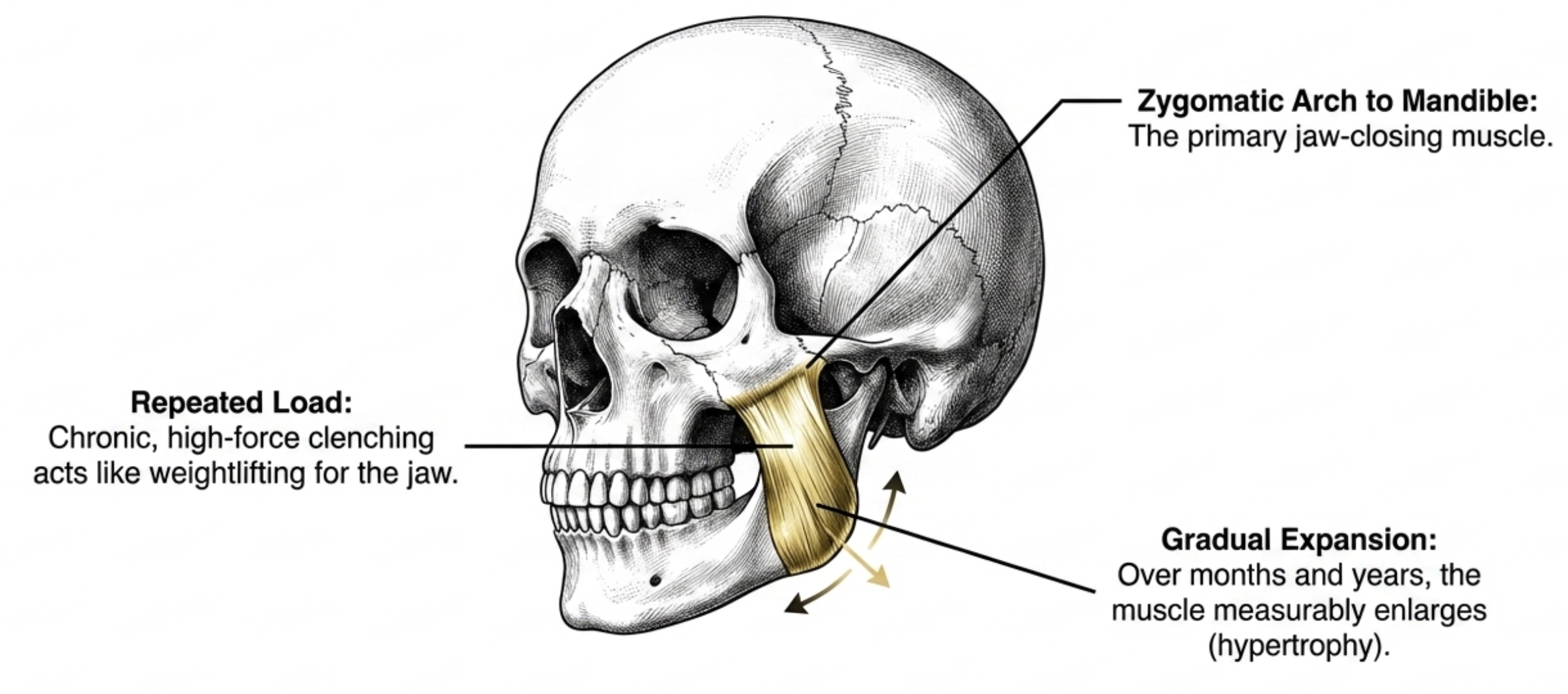
The masseter is the primary jaw-closing muscle. It runs from the cheekbone (zygomatic arch) down to the lower jaw (mandible) on each side of the face. It’s the muscle you feel bulging when you clench your back teeth.
Like any skeletal muscle, the masseter responds to repeated load by growing. This is called hypertrophy — the same process that makes a bicep larger when you lift weights regularly.
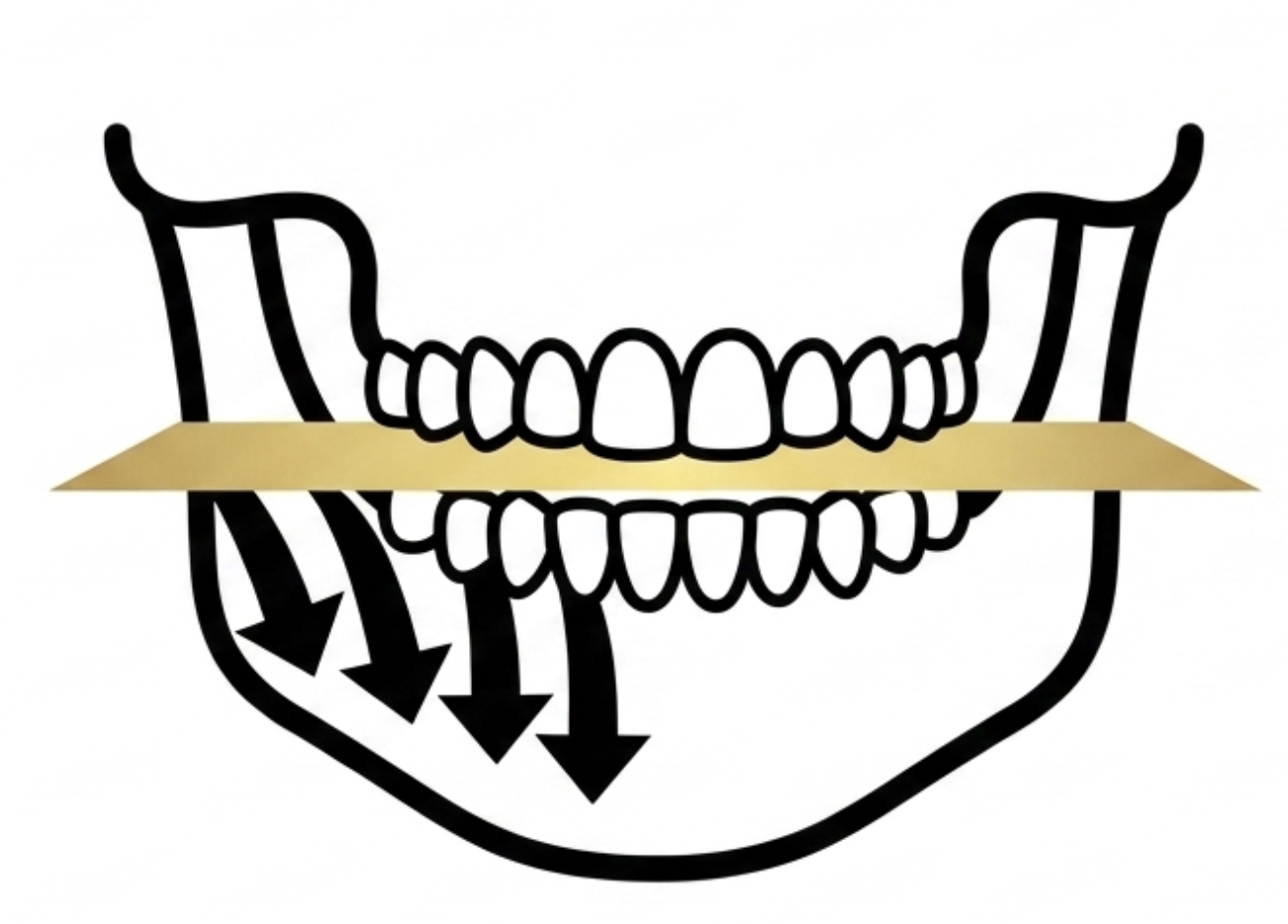
Heavy bruxism — particularly chronic, high-force clenching — applies repeated, significant load to the masseter. Over months and years, this can cause the masseter to enlarge measurably. In people with severe bruxism, the lower face can appear wider or more square because the masseter mass on each side of the jaw has increased.
This is not a subtle effect in extreme cases. Dentists and oral surgeons encounter patients whose masseter hypertrophy from bruxism is visible and pronounced — a widened lower face that developed gradually over years of uncontrolled grinding.
Tooth wear also changes facial appearance
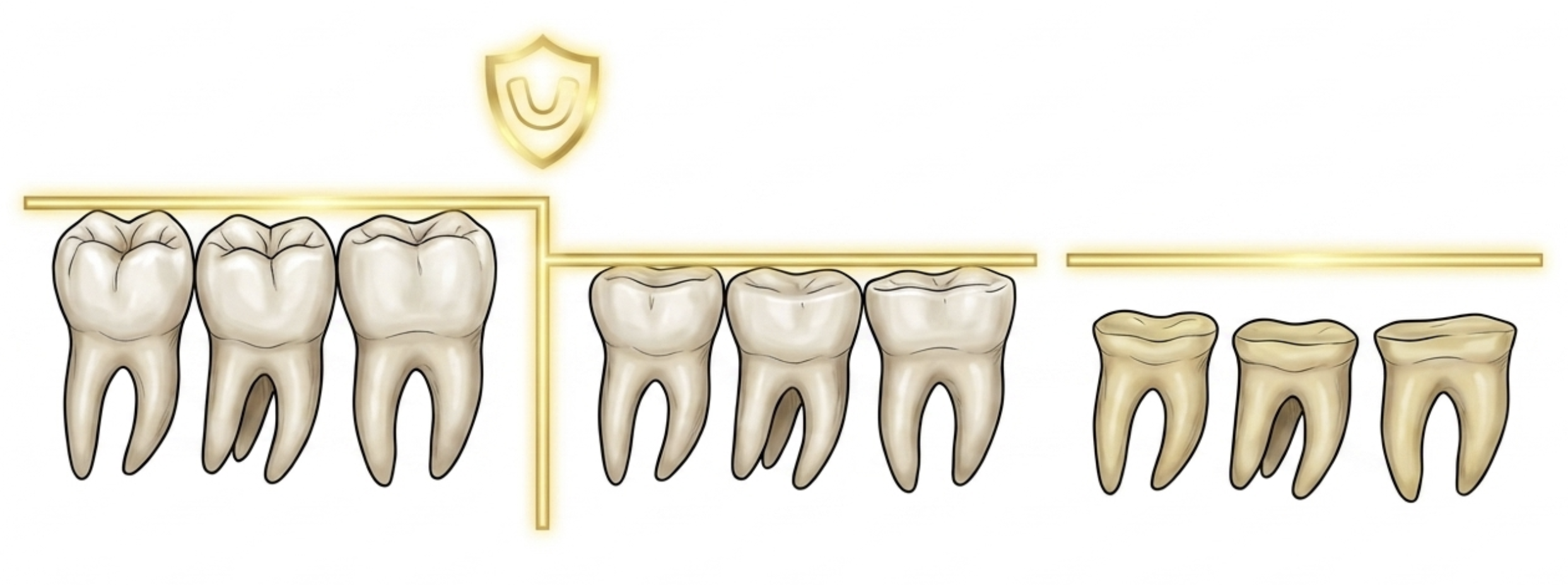
Heavy grinding doesn’t just affect muscles. It wears down the teeth themselves — flattening and shortening the biting surfaces. As teeth lose height, the vertical dimension of the face (the distance between the nose and chin) can subtly decrease. This can alter how the lower third of the face looks — a slightly more closed or compressed lower face.
This is a gradual change that happens over years of significant untreated bruxism, not weeks of occasional clenching.
So What Does a Night Guard Actually Do to Your Face?
Here is where precision matters — and where a lot of the social media content gets it wrong.
What a night guard does not do
A night guard is a passive protective device. It sits between your teeth and absorbs grinding force. It does not:
- Reposition your jaw
- Stretch or relax your masseter
- Reverse masseter hypertrophy
- Change the structural shape of your jaw bones
- Produce any cosmetic effect as a direct result of being worn
Wearing a night guard at night will not change your face shape in the way a cosmetic procedure would. It is a piece of protective dental equipment, not a facial remodelling device.
What protective tooth coverage may indirectly relate to over time
This is where the nuance lives — and it requires careful framing. If bruxism causes masseter hypertrophy because the muscle is being repeatedly overloaded, then anything that reduces that overloading could theoretically affect the long-term trajectory of muscle size. However, the evidence for a night guard producing visible facial changes is weak and inconsistently reported.
Masseter Hypertrophy: The Real Facial Change from Bruxism
If your jaw has become visibly wider or more square over time, the likely explanation is masseter hypertrophy from chronic clenching — not anything an appliance has done.
Masseter hypertrophy from bruxism is:
- Gradual — develops over months to years, not weeks
- Typically bilateral — affects both sides, though often asymmetrically if grinding is more pronounced on one side
- More common in clenchers than grinders, because sustained clenching loads the masseter isometrically
- Reversible in some cases — if the overloading stimulus reduces significantly, the muscle can decrease in size over time, though this is slow
Heavy masseter hypertrophy is sometimes addressed with botulinum toxin injections into the masseter — a cosmetic or clinical procedure entirely separate from anything a dental appliance does.
“My Face Changed After Starting a Night Guard” — What’s Actually Happening?
People who report facial changes after starting a night guard are typically experiencing one of several things:
1. Morning puffiness changes
Some people who grind heavily wake with visible jaw swelling or puffiness from overnight muscle activity. A night guard that reduces grinding intensity may result in less morning inflammation — making the face look slightly different each morning. This is not a structural change.
2. Jaw resting position shift
A night guard changes where your teeth contact during sleep. For some wearers, this shifts the resting position of the jaw — which can temporarily change how the lower face looks or feels in the morning, before the jaw fully re-settles. Also not a structural change.
3. Placebo and attention effects
Starting a night guard is often accompanied by increased attention to the jaw and face. People who begin noticing their face more carefully tend to perceive changes that were already there or unrelated to the appliance.
4. Coincidental changes
Weight changes, sleep quality changes, stress changes, and other life factors all affect facial appearance. If these coincide with starting a night guard, the appliance may be credited for changes it didn’t cause.
The Asymmetry Question: Can Uneven Grinding Change Face Shape?
There is some evidence that chronic, significantly asymmetric bruxism — where one side of the jaw works harder than the other — can contribute to asymmetric masseter development. One side becomes more hypertrophied, creating a visible difference in jawline width between left and right.
This is real and documented. What is not documented is a night guard correcting this asymmetry. A standard night guard provides a flat, even surface for both sides of the jaw to contact — but it doesn’t direct the jaw to load symmetrically, and it doesn’t reduce hypertrophy.
If asymmetric masseter hypertrophy is a concern, that’s a conversation for a dentist, oral surgeon, or clinical specialist.
What a Night Guard Is Actually For
A night guard for bruxism is a tooth protection device. Its job is to put a durable barrier between your upper and lower teeth so that grinding and clenching force is absorbed by the appliance instead of your enamel.
The outcomes it reliably delivers:
- Enamel protection — preventing the progressive wear and erosion that bruxism causes
- Dental work protection — shielding crowns, veneers, and fillings from compressive overload
- Preservation of tooth height — preventing the gradual shortening that comes from years of unprotected grinding
These are dental health outcomes — not cosmetic outcomes. Over years and decades, they have a real relationship to how the lower face looks, because teeth that maintain their natural height support the natural vertical dimension of the face. Preserving your teeth is not the same as changing your face. But it is meaningfully better than not preserving them.
The Bottom Line
Can wearing a night guard change your face shape? Not in any direct, reliable, or clinically demonstrated way. A night guard protects your teeth — it does not remodel your jaw or alter your facial structure.
What does change faces over time is bruxism itself — through masseter hypertrophy from chronic muscle overloading, and through tooth wear that reduces vertical facial dimension. Both are consequences of years of unprotected grinding.
A night guard, worn consistently, prevents the dental damage that bruxism causes. It preserves tooth structure that supports natural facial proportions. That is a meaningful benefit — but it is a preservation benefit, not a transformation one.
If your primary concern is the facial impact of bruxism, the most important step is protecting your teeth from further damage while discussing the muscular changes with a dental professional. The Reviv how-to-choose guide is a good starting point, or browse the full Reviv range of FDA-registered Class I options.