
Why do mothers grind their teeth?
What is mom jaw?
Is a night guard safe while breastfeeding?
When does postpartum bruxism resolve?
Does having children cause teeth grinding?
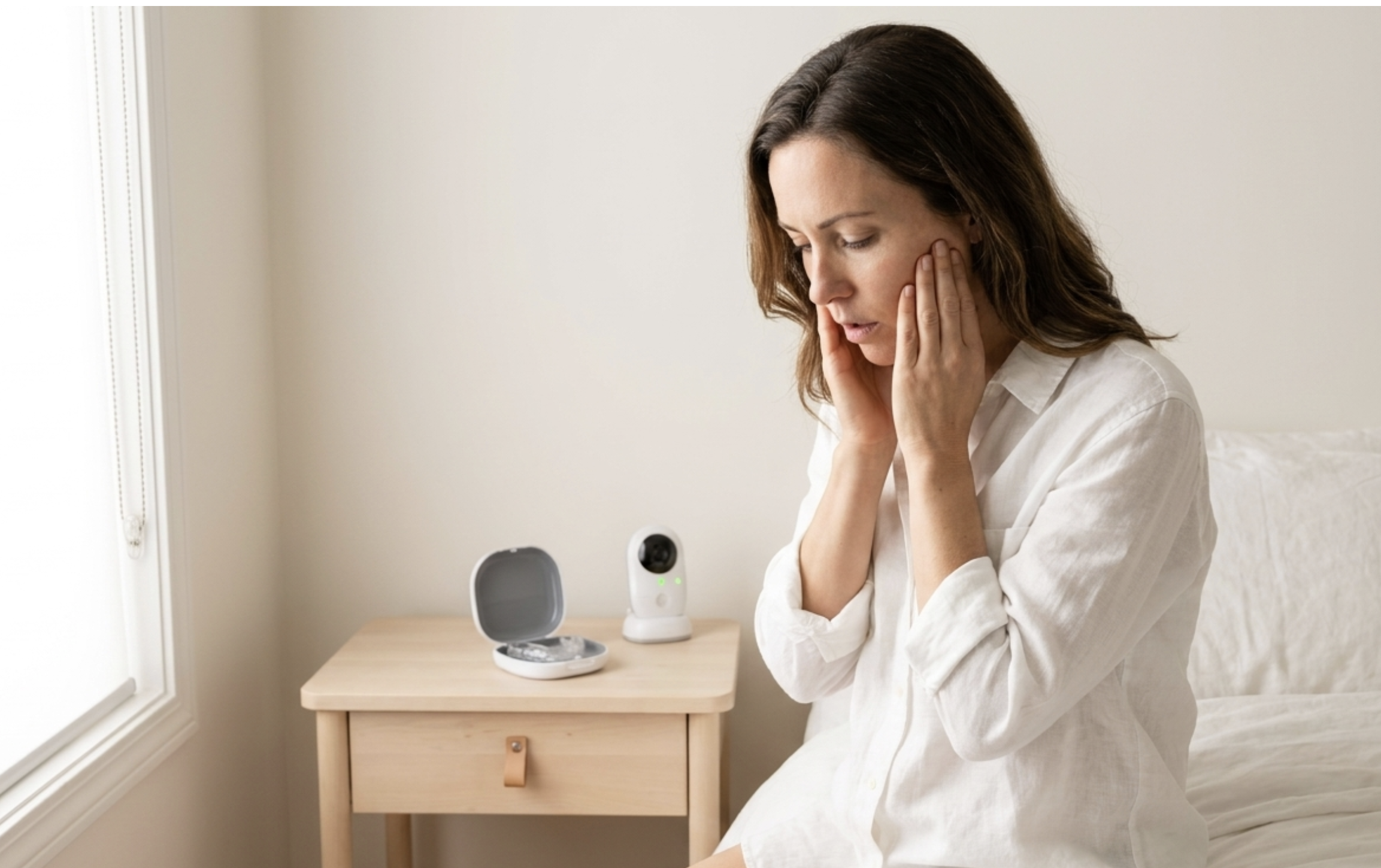
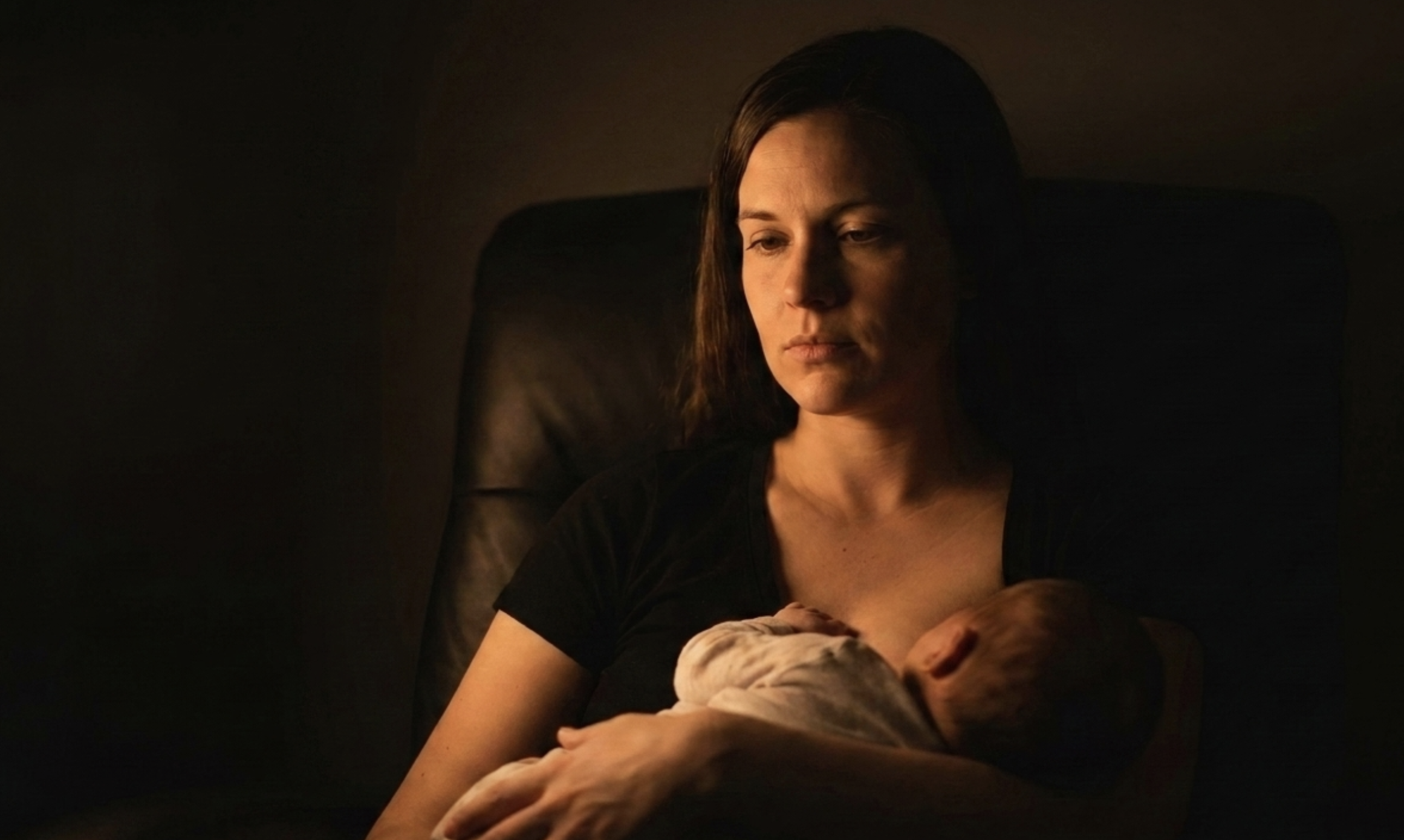

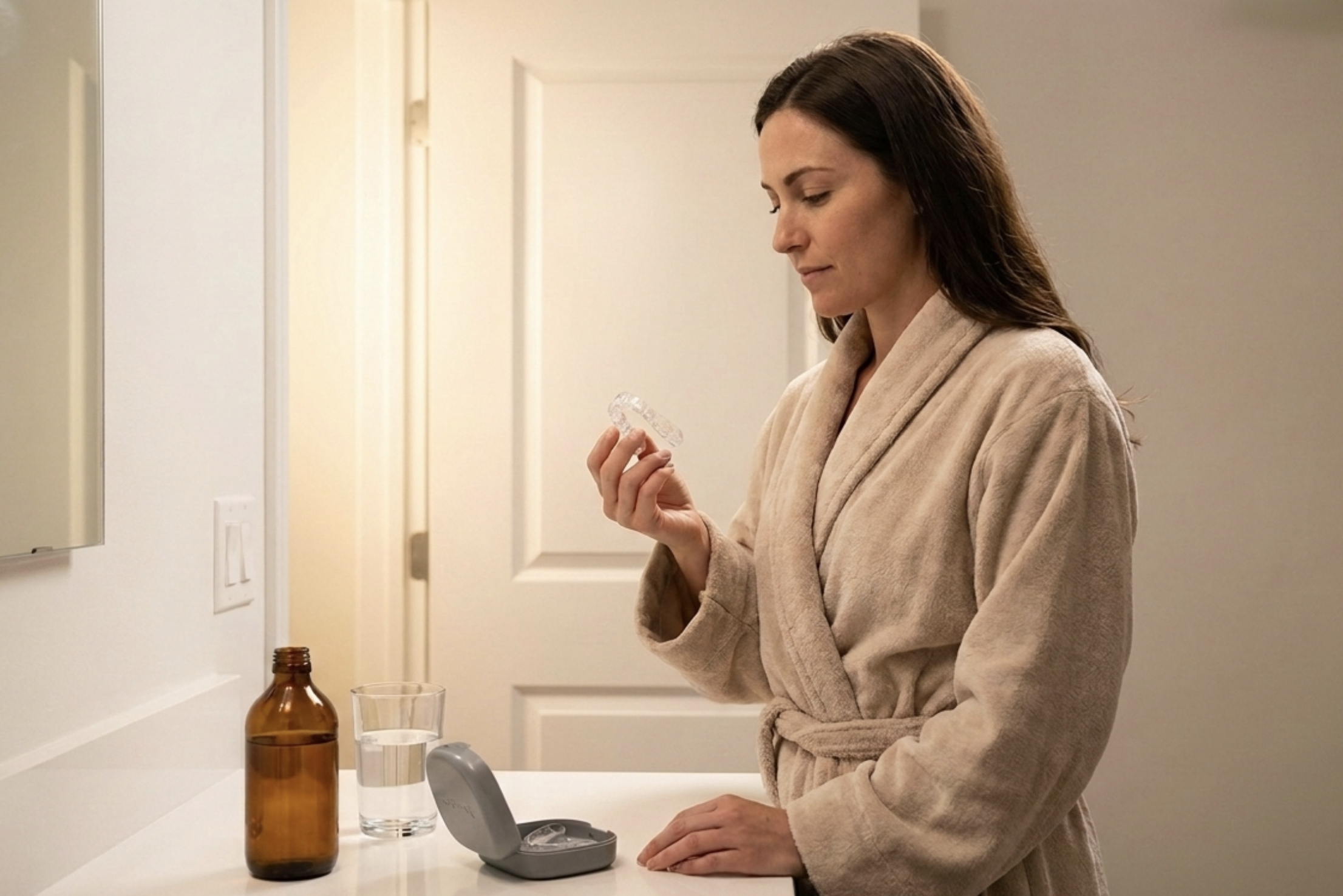
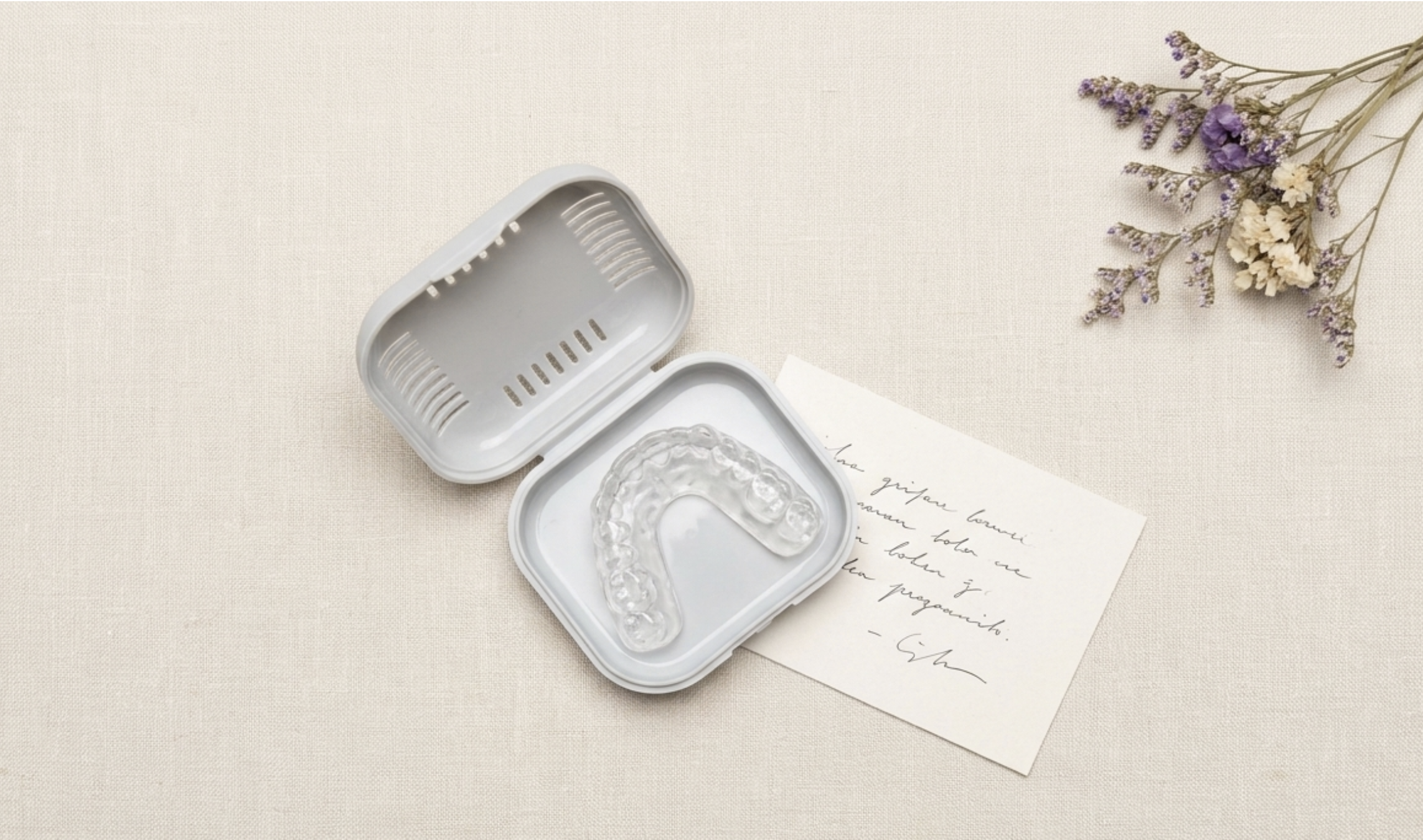
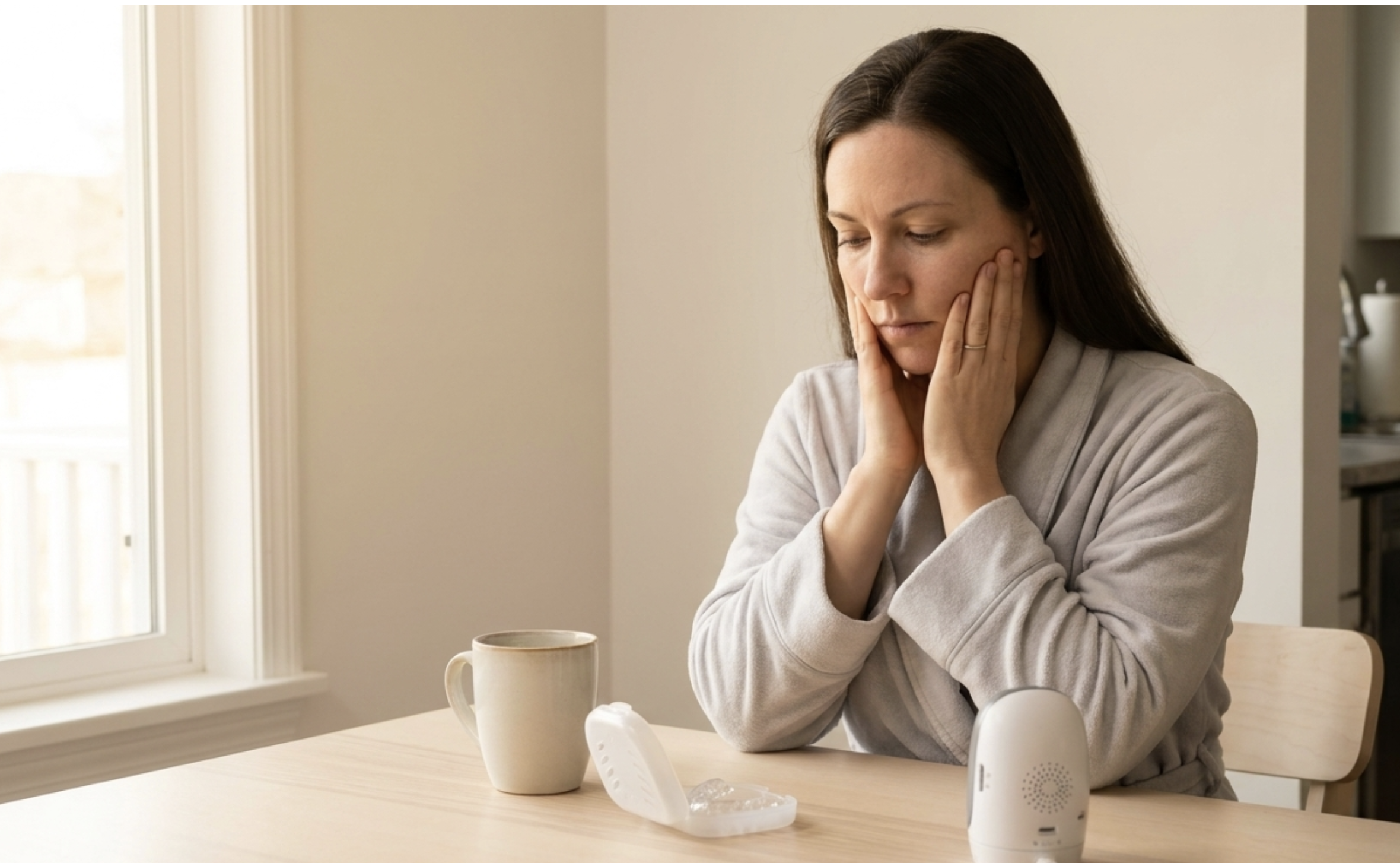
This weekend is Mother’s Day in both the US and Mexico — the same date for the first time, which makes it the largest single-day celebration of mothers in the Western Hemisphere. Cards, flowers, brunches, and phone calls. And for millions of mothers who will wake up Sunday morning with a tight jaw and a dull headache at the temples — the automatic morning inventory of a bruxer — the celebration will begin with a familiar, unacknowledged ache.
The “mom jaw” is not a clinical diagnosis. It is a recognition that motherhood — specifically, the sustained physiological demands of early and active motherhood — is one of the most underrecognised bruxism triggers in adult life. The mechanisms are specific, the evidence is real, and the dental consequences accumulate invisibly while everything else about motherhood is visible and celebrated.
This article is for the mothers, and for the people who love them.
The Recognition
Motherhood is celebrated for its joys and its sacrifices. What is rarely named is what it does to the body at the physiological level — specifically, to the nervous system and jaw muscles of the person managing the sustained demands of childcare alongside everything else.
The “mom jaw” conversation has been happening quietly on parenting forums and TikTok — mothers comparing notes on morning jaw soreness, headaches that start at the temples, tooth sensitivity that developed after pregnancy. Most attribute it vaguely to “stress.” The more precise explanation is that motherhood activates five distinct physiological pathways that each independently elevate bruxism risk — and that in early motherhood, all five operate simultaneously.
This is not a complaint about motherhood. It is an explanation of a physiological reality, offered so that the mothers experiencing it understand what is happening and what protects against the consequences.
The Elevated Bruxism Rates
Research on bruxism and chronic sleep disruption consistently shows elevated rates among people experiencing extended periods of fragmented sleep — the defining feature of early parenthood. A 2019 study published in Sleep found that new parents experience significantly disrupted sleep for an average of six years following the birth of a first child, with the disruption most severe in the first year but persisting at clinically significant levels for years beyond.
Each year of chronically fragmented slow-wave sleep is a year of elevated bruxism frequency — and a year of dental damage if unprotected. The enamel that wears during this period does not come back once the children sleep through the night.
Women experience additionally elevated bruxism risk through the hormonal changes of pregnancy, postpartum, and — for older mothers — the perimenopausal transition that may overlap with active parenting years. The combination of sleep disruption and hormonal change makes early motherhood a specific bruxism-risk period that the dental literature has begun to recognise explicitly.
Mechanism 1: Chronic Sleep Disruption
Bruxism occurs predominantly in lighter sleep stages — N1 and N2 non-REM sleep. The more time spent in lighter sleep stages relative to deep sleep, the more time spent in the stages where grinding and clenching most frequently occur.
Early parenthood systematically destroys the deep sleep architecture that normally limits bruxism exposure time. Night feeds, night wakings, early morning starts, and the fragmented sleep of a mother whose nervous system remains partially alert to infant sounds all reduce the proportion of the night spent in restorative slow-wave sleep. The result is a sleep structure that is architecturally almost designed to maximise bruxism time — light, fragmented, repeatedly interrupted.
This mechanism alone — without any hormonal, stress, or mental load contribution — is sufficient to explain elevated bruxism rates in mothers of young children. The other four mechanisms compound it.
Mechanism 2: Hypervigilance and Sustained Sympathetic Tone
Parental hypervigilance — the sustained background alertness that keeps a parent monitoring for a child’s sounds, movements, and needs — is a functional sympathetic nervous system state. It is adaptive and necessary. It is also, at the physiological level, a sustained mild activation of the same system that drives bruxism under stress.
The parent whose nervous system has learned to remain partially alert during sleep — listening for the baby monitor, responding to the child’s cough, waking to the threshold sound that signals a bad dream — maintains a level of sympathetic tone during sleep that the non-parent nervous system does not. This sustained tone elevates baseline jaw muscle activation, reducing the jaw’s opportunity to fully relax during sleep.
This mechanism is specific to caregiving: it exists regardless of whether the mother is “stressed” in any conscious sense. A mother who feels calm, happy, and deeply fulfilled by motherhood still has a hypervigilant nervous system if she has a young child whose night needs have trained that response. The jaw tension is not about unhappiness; it is about the physiological cost of sustained alertness. Identifying whether the resulting pattern is primarily nighttime clenching or grinding helps determine the right guard specification.
Mechanism 3: The Mental Load and Concentration Clenching
The mental load of motherhood — the invisible cognitive labour of tracking appointments, anticipating needs, managing logistics, maintaining the household calendar alongside professional responsibilities — is a form of sustained concentration that produces the same jaw-clenching pattern as focused screen work.
As covered in the screen time and jaw tension research, concentration activates the sympathetic nervous system in a way that elevates jaw muscle tone. The mental load of active motherhood is concentration in its most sustained and cognitively demanding form — it never fully turns off, because the needs of children are asynchronous and continuous.
The result is daytime clenching that accompanies every moment of focused mental work — school run planning, paediatric appointment scheduling, deadline management, the simultaneous tracking of multiple children’s needs. This daytime clenching load adds to the nighttime grinding that the sleep disruption mechanism produces. For working mothers, both mechanisms are active simultaneously during the working day.
Mechanism 4: Hormonal Aftereffects of Pregnancy and Breastfeeding
The hormonal environment of pregnancy and the postpartum period has specific effects on the same dopaminergic pathways that regulate jaw motor activity during sleep.
Progesterone, which rises significantly during pregnancy, falls dramatically in the immediate postpartum period. This rapid withdrawal is associated with significant neurochemical rebalancing — including in dopaminergic pathways. Prolactin, which sustains breastfeeding, has complex interactions with dopaminergic function. The net effect is a postpartum neurochemical environment that for some women produces elevated bruxism through the same dopaminergic pathway that SSRIs and stimulants activate.
This is an underresearched area — there are no large-scale trials examining bruxism rates specifically in the postpartum hormonal environment. But the case report literature and clinical observation are consistent with elevated postpartum bruxism, particularly in the first months after birth when hormonal fluctuation is most dramatic.
Mechanism 5: Chronic Compound Stress
Chronic stress is the most commonly discussed bruxism driver, and the one that requires the least explanation. The sustained cortisol elevation of a life phase characterised by significant responsibility, significant sleep deprivation, significant financial pressure, and significant emotional labour is a well-established bruxism amplifier.
The important nuance here is the word “chronic.” Acute stress — a difficult week, a deadline, a confrontation — produces acute bruxism that typically resolves. Chronic stress — the sustained cortisol of years of active parenting with insufficient recovery — produces a sustained elevation in the bruxism baseline that accumulates dental damage progressively, below the threshold of any individual night being dramatically worse than the last.
The absence of a single dramatic event makes this harder to recognise. The mother who wakes up at 35 and discovers significant enamel wear at a dental check-up often cannot identify a specific moment of acute stress that explains it. It was the accumulated grinding of a thousand ordinary nights — each one slightly elevated by chronic cortisol, fragmented sleep, and hypervigilant alertness.
What Actually Helps
The interventions that are practical within the reality of active motherhood — not the ones that require the conditions of a life without young children:
A hard custom night guard — the foundational protection
The night guard is the only intervention that protects teeth from grinding force regardless of any of the five mechanisms. It absorbs the force whether the bruxism is driven by sleep disruption, hypervigilance, mental load, hormones, or chronic stress — it does not require diagnosing which mechanism is primary. It works every night by default, requires 90 seconds of cleaning after removal, and is the one intervention that does not depend on having more time, more sleep, or less stress.
A night guard is also the only bruxism-relevant intervention that is completely safe during breastfeeding and pregnancy. It has no pharmacological action, no systemic effects, and no contraindications in the maternal period. It is a piece of shaped acrylic that sits on the teeth. Start it now, not after the breastfeeding phase ends, not after the children sleep through — because the dental damage accumulates every night it is absent.
Magnesium glycinate — with a provider check first
Magnesium glycinate at 200–400mg in the evening reduces the muscle excitability that chronic cortisol amplifies. It is one of the most accessible and lowest-risk supplements for jaw clenching. During breastfeeding, magnesium passes into breast milk but at levels that are not considered harmful — however, confirm with your OB or midwife before starting any supplement during the nursing period. During pregnancy, also confirm with your provider.
Jaw awareness during the high-clenching moments
For mothers, the highest-clenching moments are specific and identifiable: night feeds, tense moments with a child, reading to a child while simultaneously tracking a mental list, or any sustained period of concentration alongside childcare. These moments are when the jaw most reliably sets without conscious awareness. A simple sticky note — “teeth apart” — on the baby monitor, the nursing chair arm, or the desk where mental load work happens provides the check that interrupts the clenching cycle at its most active times.
The jaw exercises that fit into a feeding session
The TMJ exercise sequence takes under five minutes. It can be performed during a nursing session, during a child’s quiet play, or in the first moments of a nap window. The exercises release the accumulated tension that the five mechanisms above are continuously adding. Five minutes of consistent jaw mobility work after the worst nights is more effective than a longer but infrequent routine.
The Mother’s Day Gift Angle
A night guard is the practical gift for a mother who grinds her teeth and has never done anything about it — which describes a significant proportion of mothers in the first years of parenthood. She has not prioritised it. There has not been a window for a dental appointment that didn’t get rescheduled. The morning jaw soreness has become so normal that it no longer registers as abnormal.
A DTC custom night guard from a lab like Reviv costs $80–$200 — less than a spa day, less than a high-end skincare set, and it solves a real, documented problem rather than providing a single afternoon of relief. It arrives with an at-home impression kit, takes 10 minutes to complete, and provides protection for 2–3 years.
For the person giving the gift: the most useful framing is not “I got you something for your teeth” — it is “I noticed your jaw is always sore in the morning and I wanted to do something about it.” That is the recognition the mom jaw rarely gets.
The Bottom Line — And a Genuine Thank You
The mom jaw is real. The five mechanisms that drive it — chronic sleep disruption, hypervigilance, mental load, hormonal aftereffects, and chronic compound stress — are documented, physiologically grounded, and not a sign of failure to cope. They are the physiological cost of what motherhood actually demands.
The enamel that wears during the years of unprotected mom-jaw grinding does not come back when the children start sleeping through. The consequences of this invisible, unacknowledged bruxism accumulate in the same way the motherhood itself does — quietly, without fanfare, below the threshold of any single night being dramatic.
A night guard is not the solution to motherhood. It is the solution to one specific, preventable consequence of it — the enamel damage that accumulates while everything else about this life phase demands attention. The Reviv model selector identifies the right FDA-registered Class I guard for your pattern, or browse the full range.
To every mother reading this: Happy Mother’s Day. Your jaw has been carrying a lot. It deserves some protection back.