
Does mouth taping actually work?
Is mouth taping safe?
What tape should you use?
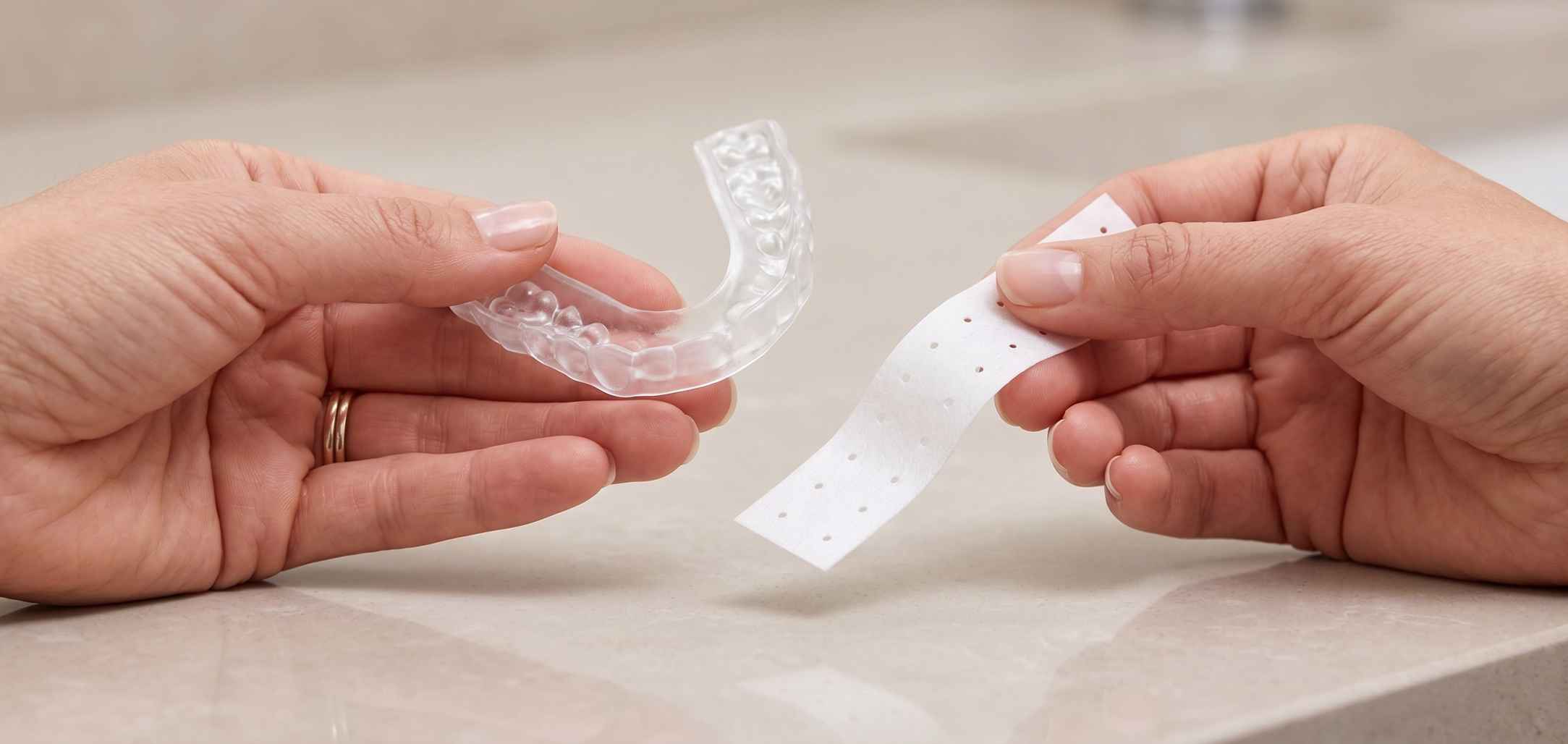
Can you mouth tape with a night guard?
Who should not mouth tape?
Mouth taping has moved from fringe wellness practice to mainstream conversation surprisingly quickly. What was once confined to breathwork communities and athletic optimisation circles is now discussed in sleep podcasts, health subreddits, and dental offices.
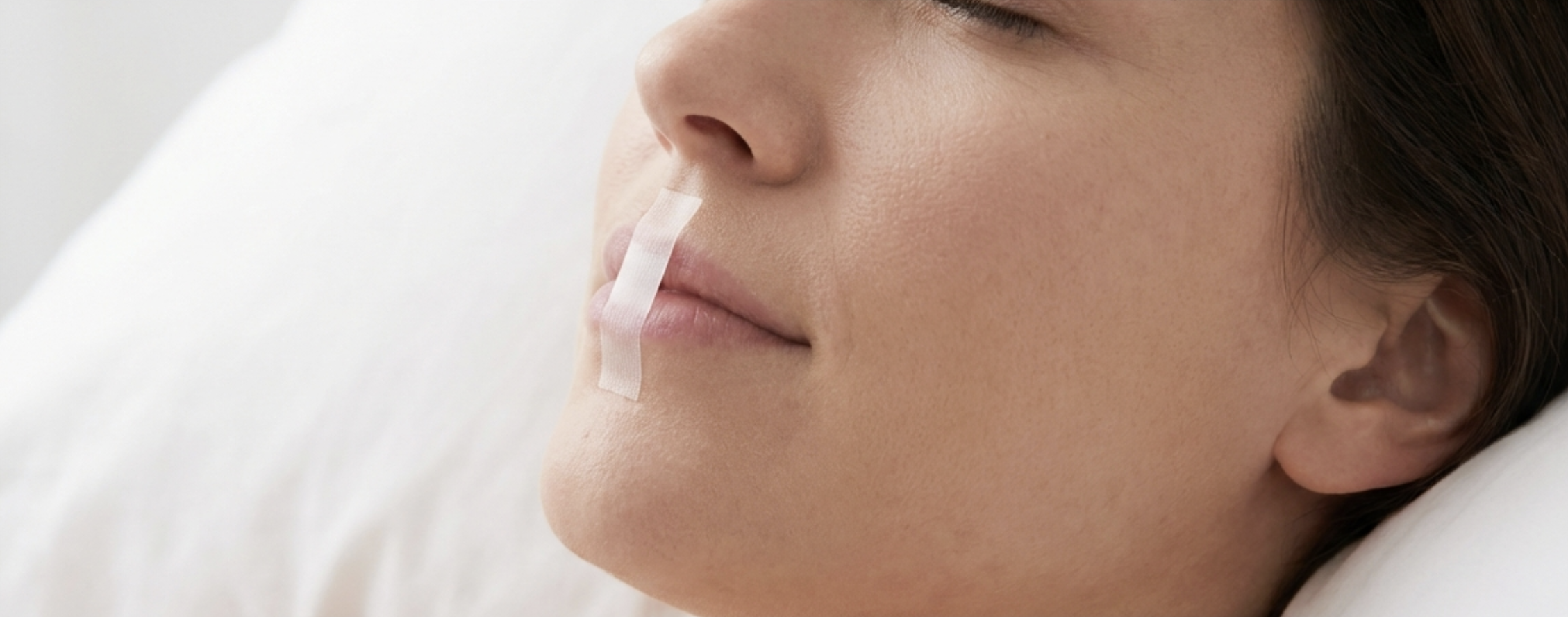
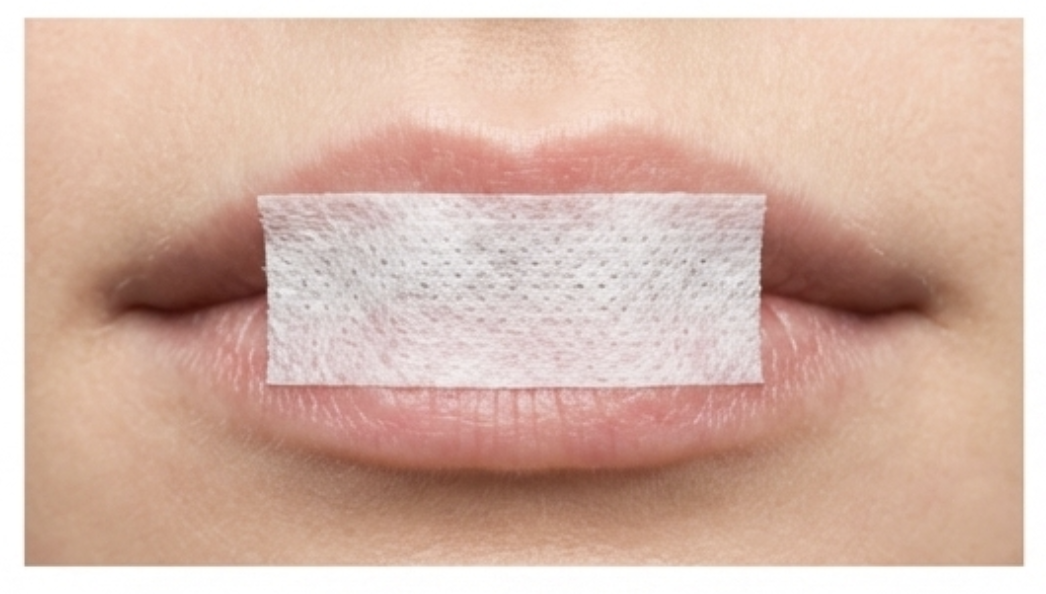
The concept is simple: place a small piece of tape over your lips at bedtime to encourage your mouth to stay closed and your breathing to route through your nose. Proponents claim it reduces snoring, improves sleep quality, reduces dry mouth, and supports better oral health. Sceptics point to limited controlled evidence and real safety concerns for certain groups.
Both sides have a point. This article gives you the full picture — the biology, the evidence, the genuine risks, and a practical guide to trying it safely if you decide to.
Why Nasal Breathing During Sleep Matters
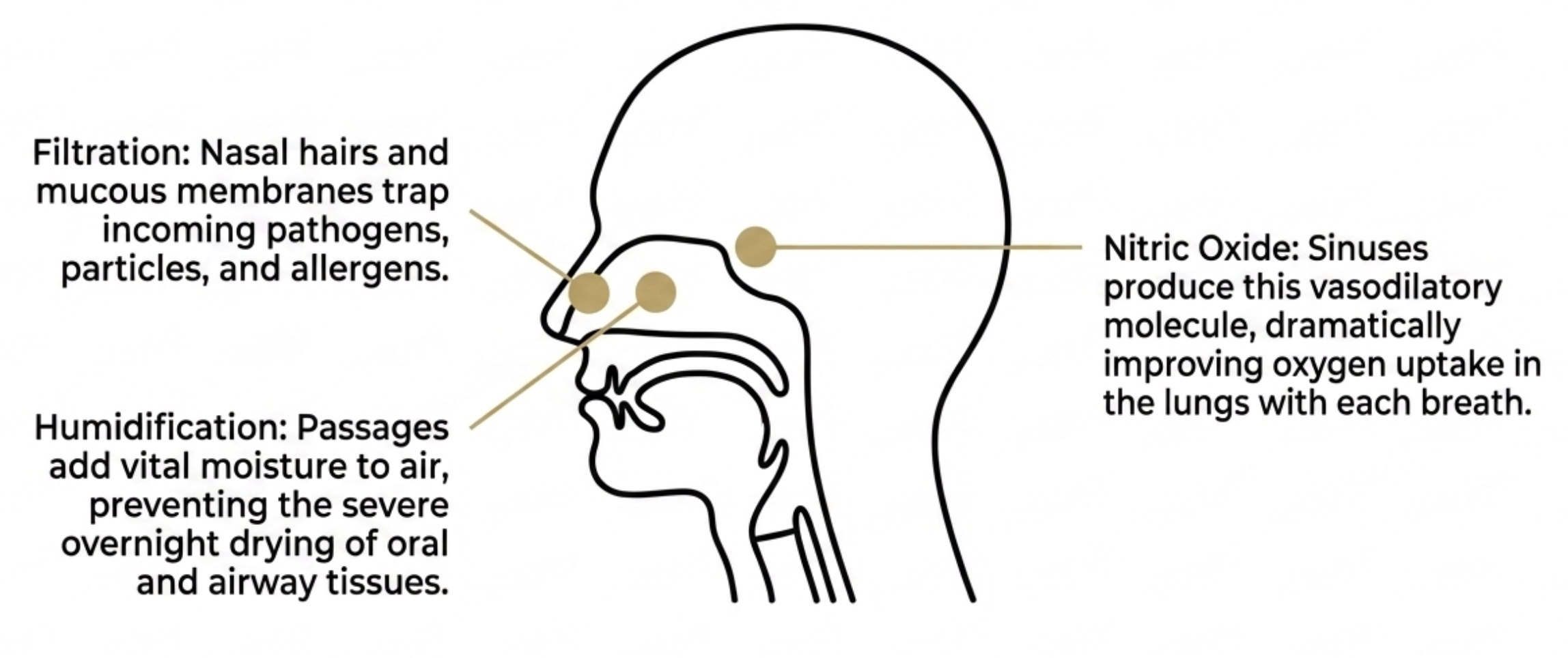
The nasal passages perform several functions that mouth breathing bypasses entirely:
Filtration. Nasal hairs and mucous membranes filter particles, pathogens, and allergens from incoming air. Mouth breathing delivers unfiltered air directly to the airways.
Humidification. Nasal passages add moisture to incoming air. Mouth breathing overnight causes significant drying of the mouth, throat, and airways.
Nitric oxide production. The nasal sinuses produce nitric oxide — a molecule with vasodilatory effects that improves oxygen uptake in the lungs. Nasal breathing delivers this with each breath; mouth breathing bypasses this mechanism entirely.
Pressure and flow. Nasal breathing creates more airway resistance than mouth breathing — which can be beneficial, encouraging fuller diaphragmatic breathing and supporting better blood oxygen saturation.
What chronic mouth breathing does
Persistent mouth breathing during sleep is associated with dry mouth (increasing oral bacteria and contributing to tooth decay), snoring, disrupted sleep architecture, elevated upper respiratory infection risk, and in children, specific developmental concerns around facial and jaw development.
What Mouth Taping Claims to Do
Reduces snoring. The strongest case. Snoring is significantly more common with mouth breathing — keeping the mouth closed should reduce it. Small studies and anecdotal reports consistently support this. The caveat: if snoring is caused by nasal obstruction, taping won’t help.
Reduces dry mouth. Well-supported logically and anecdotally. Keeping the mouth closed directly reduces the drying from open-mouth airflow.
Improves sleep quality. Harder to establish — some people report improved sleep and feeling more rested, but whether this is from reduced snoring, better oxygen uptake, or placebo is difficult to disentangle.
Supports oral health. Plausible. Dry mouth is a significant contributor to bacterial overgrowth — reducing mouth breathing may support the oral environment overnight.
The honest summary: the case for mouth taping is strongest for snoring reduction and dry mouth. Evidence thins considerably for more ambitious claims.
The Real Risks: Who Should Not Mouth Tape
People with sleep apnea (undiagnosed or untreated)
This is the most significant contraindication. For many people with OSA, the mouth opening during an apnea event is a compensatory mechanism — when the nose can’t move enough air, the mouth opens as a backup. Taping the mouth shut removes this safety valve and can result in more frequent and more severe apnea events. If you snore loudly, feel unrefreshed after sleep, or have been told you stop breathing at night, speak with a doctor before attempting mouth taping.
People with significant nasal obstruction
Mouth taping requires that nasal breathing is feasible. People with significant structural obstruction (deviated septum, large polyps, chronic severe congestion) may not be able to breathe adequately through their nose while sleeping. Minor congestion that comes and goes is reason to skip taping on affected nights, not a permanent contraindication.
Children and people with anxiety or claustrophobia
Mouth taping should not be used in children without explicit medical supervision. For adults with strong anxiety around the sensation of restricted breathing, that discomfort is a reasonable signal that mouth taping may not be appropriate.
How to Start Mouth Taping Safely
Choose the right tape
Use purpose-made mouth tape or micropore surgical tape (widely available at pharmacies). Both are skin-safe, gentle to remove, and hold adequately overnight. Do not use standard office tape, duct tape, or anything not designed for prolonged skin contact.
Practice while awake first
Spend 10–15 minutes on your couch with tape in place before attempting to sleep with it. This confirms nasal breathing is comfortable and removes any anxiety around the sensation before you’re trying to sleep.
Apply correctly
A small horizontal strip across the centre of the lips — not a large piece covering the entire mouth. The goal is a gentle reminder for the lips to stay together, not a complete seal. Even with tape applied, you should be able to open your mouth with moderate effort if needed.
Build gradually
Start with a few nights and assess: reduced dry mouth (often noticeable early), snoring changes reported by a partner, and sleep quality. If you consistently remove the tape in your sleep during the first week, this is normal — the habit usually establishes within 1–2 weeks.
Mouth Taping and Teeth Grinding: What’s the Connection?
For people managing bruxism or jaw tension, there’s a specific angle worth addressing. Mouth breathing during sleep and bruxism frequently co-occur. Several mechanisms may be relevant:
Sleep apnea as a shared driver. Both mouth breathing and bruxism are associated with sleep apnea. Micro-arousals from apnea events are associated with grinding episodes; the same events often trigger compensatory mouth opening. If sleep apnea is driving both, addressing it is the priority.
Oral dryness. Mouth breathing overnight causes dry mouth, which can increase nighttime oral awareness and possibly grinding frequency in some people.
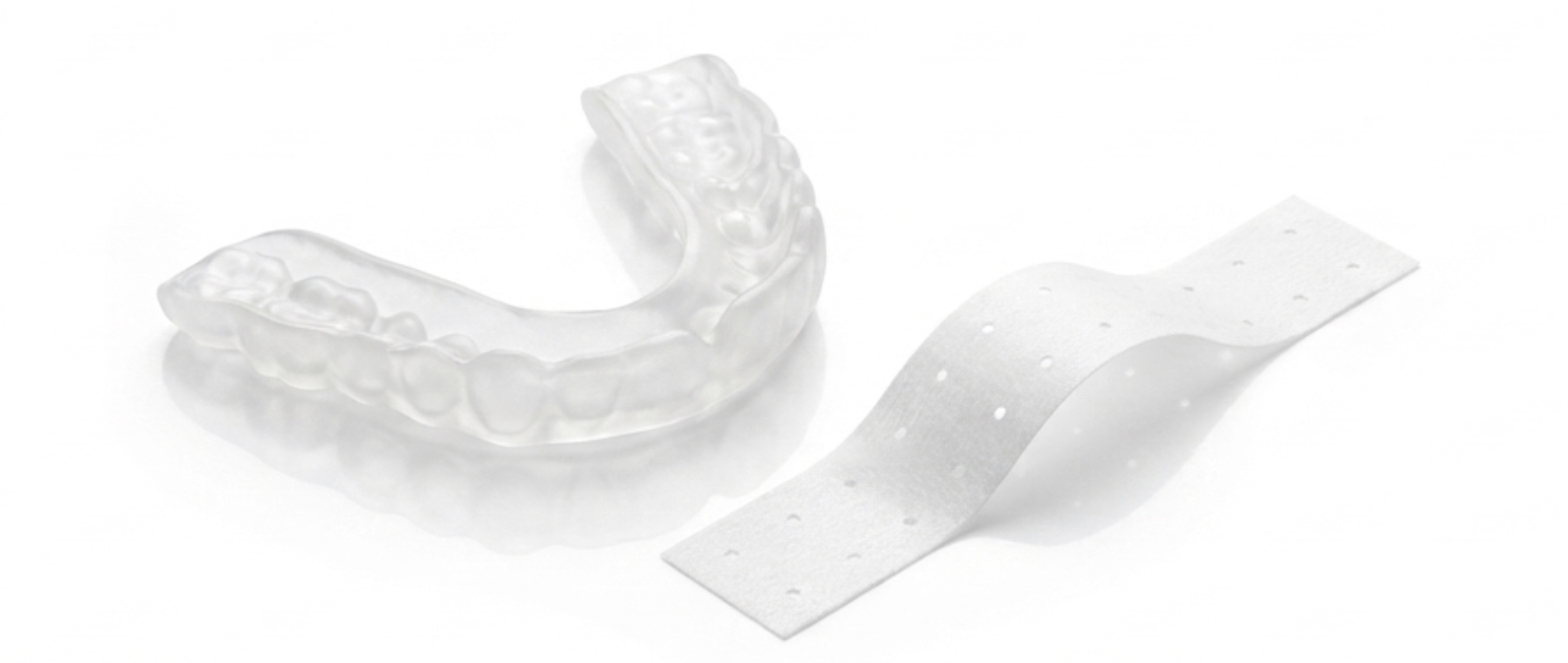
The practical implication: if you wear a night guard for grinding and have noticed you mouth breathe, adding mouth taping is a reasonable experiment. The two are fully compatible — tape goes over the lips; the guard sits inside the mouth over the teeth. They don’t interfere with each other.
Nasal Strips as an Alternative or Complement
For people who want to improve nasal breathing at night without taping their lips, nasal strips are an accessible option. Adhesive strips applied across the nose physically widen the nasal passages, reducing resistance to nasal airflow. They don’t require keeping the mouth closed — they work by making nasal breathing easier rather than enforcing it. For people whose mouth breathing is primarily driven by nasal restriction, strips may be sufficient. For habitual mouth breathers, tape adds the behavioural component that strips don’t. The two can also be combined.
The Bottom Line
Mouth taping is a simple, low-cost, non-invasive practice with a reasonable rationale for snoring reduction and dry mouth relief. The risks are real but manageable for most healthy adults: ensure you don’t have undiagnosed sleep apnea, ensure nasal breathing is feasible, start with a practice run while awake, and use appropriate tape.
For people who are habitual mouth breathers without airway obstruction or sleep apnea, it’s worth trying. For those combining a nasal breathing practice with grinding protection, both tools work simultaneously. Browse Reviv’s oral appliance range for FDA-registered Class I devices designed for tooth protection, or use the how-to-choose guide to find the right fit for your pattern.